





Okay, so check this out—I’ve been messing with Solana wallets for a while now, and Phantom keeps popping up as the go-to browser extension for day-to-day dApp use. Whoa! It feels sleek, it integrates with most marketplaces, and the UX is just… nice. My instinct said “this will save time,” and for the most part it did, though there were moments that made me squint. Initially I thought it was just another wallet, but then I realized how much friction it removes when you’re hopping between Serum, Magic Eden, and other Solana dApps. Seriously?
Here’s the thing. Phantom is a browser extension wallet built specifically for the Solana ecosystem, designed to store SOL and SPL tokens, manage NFTs, and sign transactions directly in your browser. It feels native—fast and lightweight—so if you value speed and convenience, it’s attractive. But convenience carries risk, especially with browser extensions. On one hand you get instant dApp connectivity; on the other hand you give an extension a lot of power over your browser session. Hmm… that trade-off is worth unpacking.
First impressions: installs are quick, setup is straightforward, and the UI has some personality (little touches that make it friendly). Short sentence. The wallet places an emphasis on seed phrases and straightforward account management, which is good. However, a few things bug me about the default permissions prompts—sometimes they ask to connect with a site that feels sketchy, and you have to think before clicking accept. I’m biased, but that part actually worries me more than technical cryptography details, because social engineering is the common vector.
Practical install tips follow. If you want the official extension, search carefully. Double-check the publisher and reviews. If you prefer to skip the hunt, use this direct source for the extension: phantom wallet. Actually, wait—let me rephrase that… use the link only after you’ve verified the site and checked the browser store listing yourself. On Chrome or Chromium-based browsers, Phantom shows up in the Web Store; on Firefox you can find compatible builds too (but availability varies).
Installing and configuring Phantom—quick checklist
Install the extension from the official listing or the link above. Then, follow these steps: create a new wallet or restore from seed; write down the 12-word seed phrase on paper (not in a cloud note); set a strong password for extension unlock; toggle auto-lock after a short idle period. My advice: keep the seed offline and treat it like a spare house key—if someone gets it, they have your wallet.
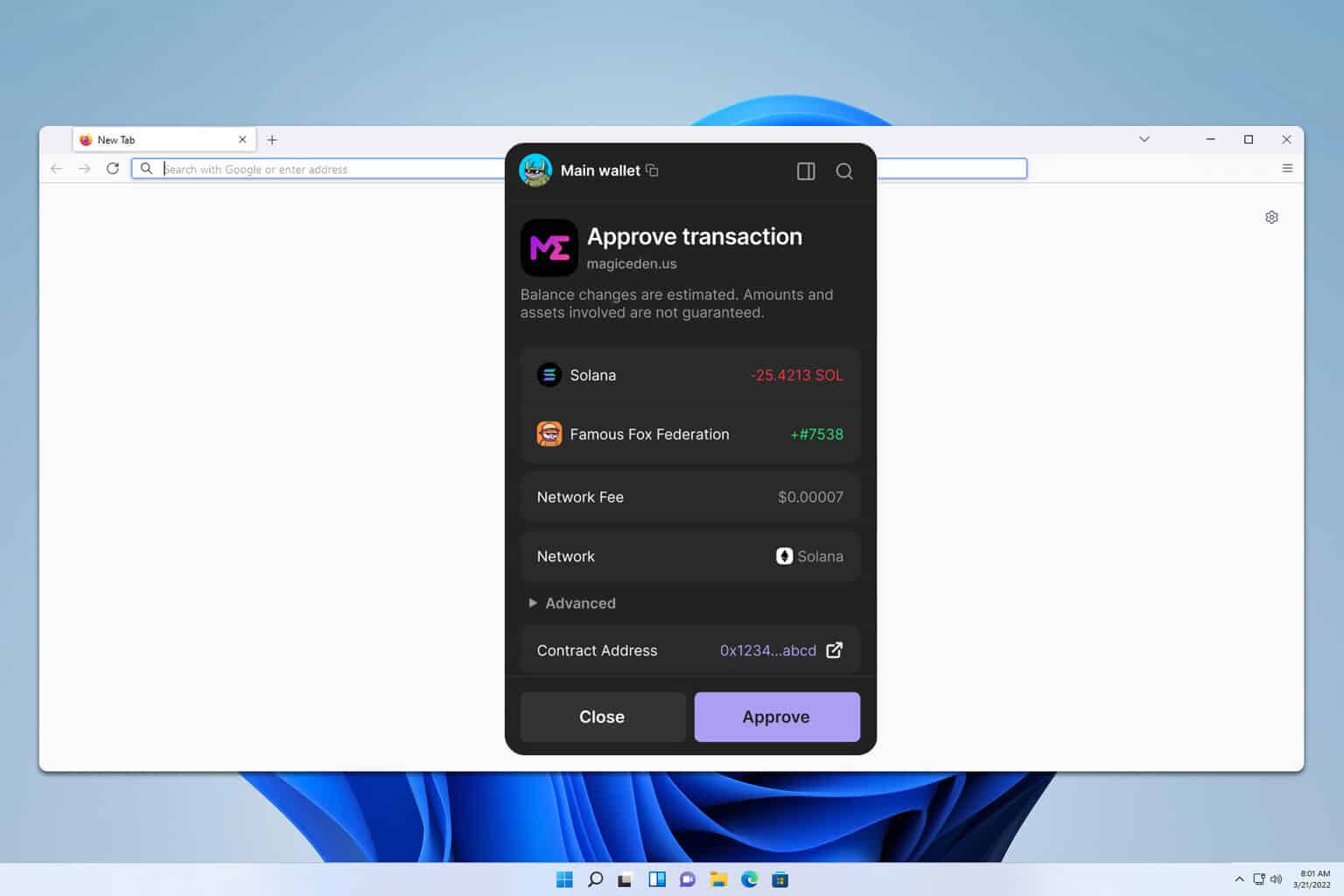
Now, permission management. When a dApp asks to connect, you can grant read-only account visibility or permission to request signatures. Read-only is fine for browsing activity; signatures should be given only when you intend to transact. One more thing—Phantom shows transaction previews that include program IDs and amounts; take a moment to scan those details. On one occasion a site requested approval for a contract I didn’t recognize and my gut said “nope”—and I’m glad I listened.
There are ways to make Phantom more secure. Pair it with a hardware wallet for large balances—ledger support exists and it’s worth the setup pain. Also, isolate high-value accounts: create multiple wallets within Phantom and use a “hot” account for daily trades and a “cold” account for savings. It sounds cumbersome, but it reduces catastrophic risk.
Bad actors often clone popular extensions and create lookalike listings. Double-check the publisher name and star ratings; read the latest reviews for red flags about malicious behavior. Also watch for fake download pages that mimic official branding. Somethin’ about crypto attracts copycats—it’s very very true.
Now, small troubleshooting notes. If a dApp won’t connect, try clearing site data for that page, or disconnect and reconnect from Phantom’s connection modal. If transactions fail, inspect logs in your wallet and the dApp for program errors. Sometimes it’s a chain congestion or a program-level rejection rather than a wallet bug. On one odd day my transactions kept pending—turns out my node was misconfigured and switching RPC endpoints fixed it (oh, and by the way… keeping a few reliable RPC endpoints saved me).
UX tips and advanced features
Phantom supports token swaps in-wallet using integrated DEXs, NFT viewing, and delegated staking flows. The in-wallet swap is convenient for small trades, but be mindful of price impact and slippage. For large trades, I usually hop to a dedicated DEX with deeper liquidity. Initially I thought the in-wallet swaps were perfect, but after a few trades I learned their limits—liquidity matters.
Recently they added features like auto-token recognition and improved NFT galleries. Gallery updates are cool—if you collect NFTs, seeing them in a neat view matters. Sadly sometimes metadata fails and your NFT appears blank; that’s typically an off-chain metadata hosting issue, not the wallet’s fault. On the topic of UX, the mobile companion and browser extension have different quirks, so don’t expect identical behavior across devices.
Backups: write the seed phrase in more than one secure physical location. I know some people dislike paper (I get it), but hardware backups, safe deposit boxes, and even engraved steel backups are solid. I’m not 100% sure which is best for everyone, but redundancy helps.
Common questions people actually ask
Is Phantom safe?
Mostly. The extension itself is widely used and audited periodically, but security depends on user behavior. Protect your seed phrase, avoid phishing pages, and consider a hardware wallet for large holdings.
Can I use Phantom on any browser?
Phantom officially supports Chromium-based browsers and Firefox variants; compatibility changes over time. If an extension doesn’t appear in your store, check the publisher information or the linked official source above.
What if I lose my seed phrase?
If you lose it and haven’t backed it elsewhere, recovery is impossible. That’s the harsh part of self-custody. Seriously—there’s no customer support that can restore a lost seed. So back it up in multiple secure ways.